
NYC apartment window tint
Home Window Tinting in New York City
Residential window tinting in New York is less about looks and more about living with the glass you were given: the sun on a high floor, the neighbor across the airshaft, the radiator that runs all winter. We pick a tint that fits the room and the building.
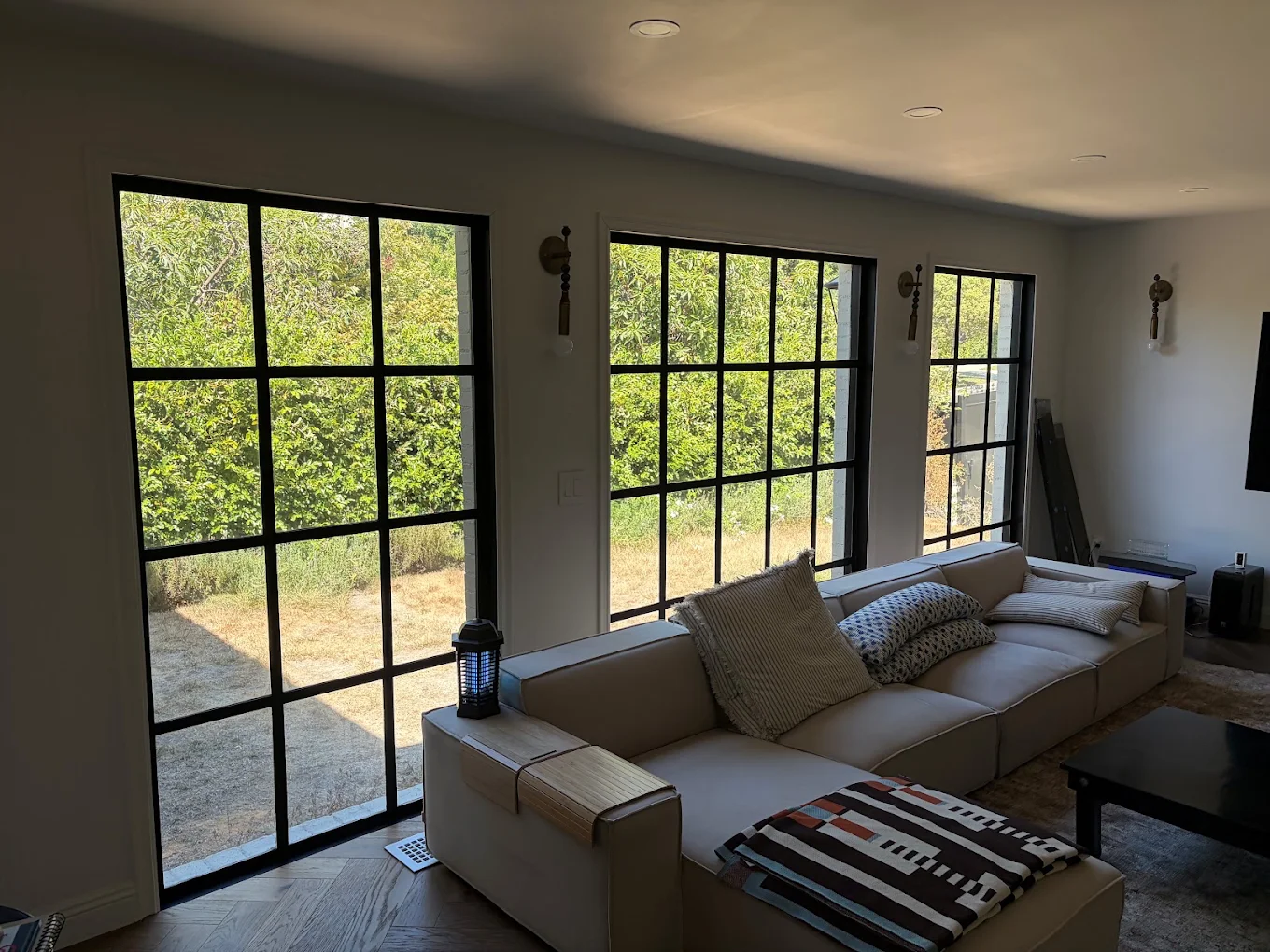 New York City
What Home Window Tinting Changes in an NYC Apartment
Tint film bonds to the room side of the glass. Nothing about the window hardware changes. Double-hung sashes still slide, casements still crank, and a fire escape window opens exactly as it did before, which matters because that window is an exit. A window air conditioner or through-wall sleeve stays where it is, and we simply film the glass around it.
What does change is the light that gets through. Depending on the film, you cut infrared heat, nearly all ultraviolet, some visible glare, or the view into the room. One film can do several of those at once, but there is always a trade between darkness, reflectivity and performance. We explain that trade with samples on your own windows rather than a brochure.
Window Tinting in NYC Co-ops, Condos and Rental Buildings
Before any film goes up, find out what your building allows. Co-op proprietary leases and condo bylaws often treat window treatments that are visible from outside as alterations, and some buildings insist every window on the street side looks uniform. A neutral or near-clear tint usually clears a board quickly. A mirrored silver film on one apartment in a row of plain windows often does not.
Managing agents typically want a certificate of insurance naming the building and the management company, a short scope of work, and a booked slot on the service elevator. We prepare those documents ahead of time. Renters should get written approval from the landlord, though most tint films peel off cleanly when a lease ends.
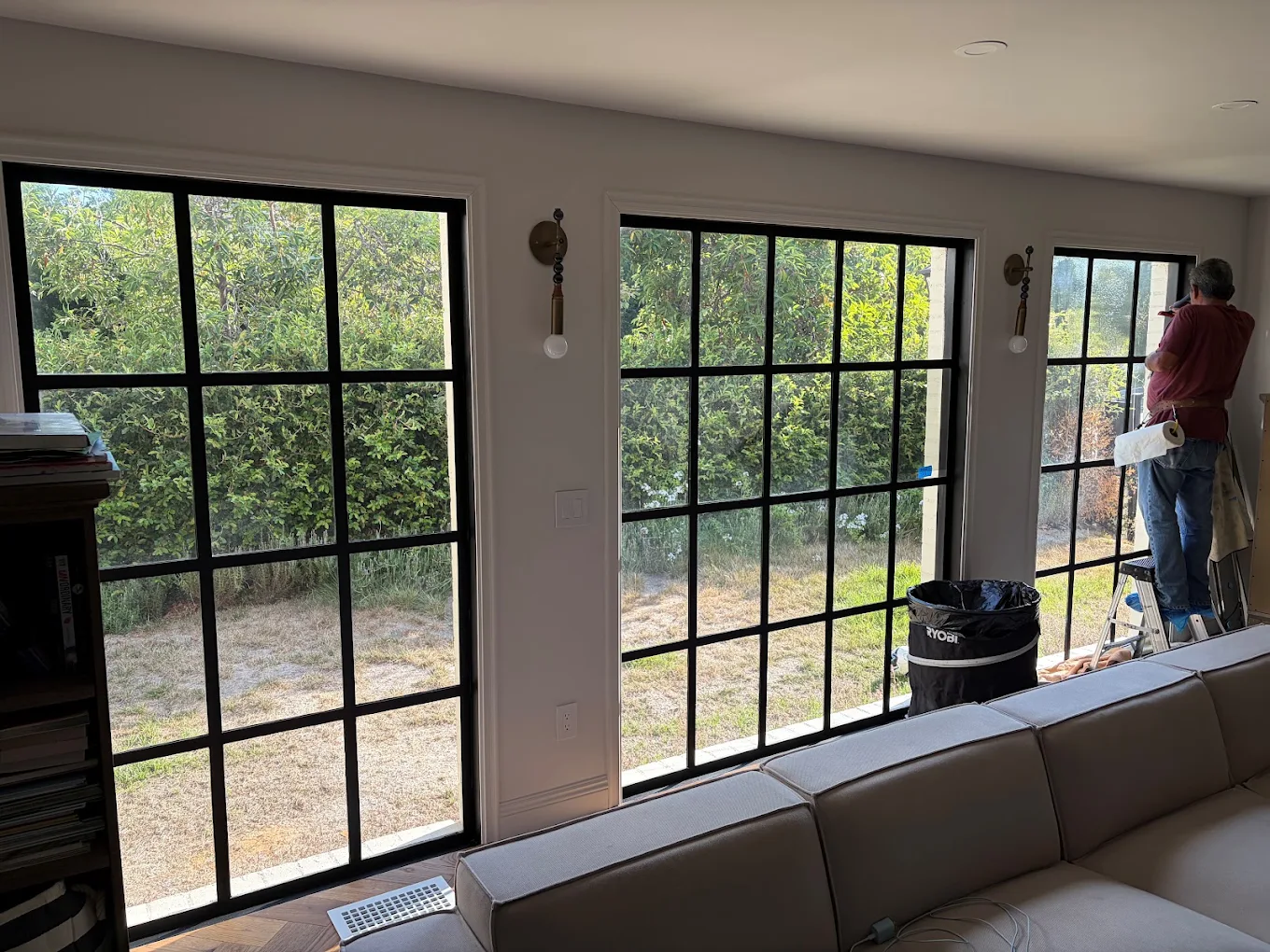
Picking a Tint Level for New York Light and Floor Height
A fourth-floor walk-up facing a narrow street and a thirty-fifth-floor unit facing the Hudson are not the same problem. Lower floors on tight blocks often get only a few hours of direct sun, and the owners are protective of every bit of daylight. Those rooms usually get a nearly clear film that targets UV and some heat. High floors with open sky can handle a deeper tint without feeling dim.
One point people miss: reflective tints give daytime privacy because it is brighter outside than in. After dark, with lamps on, the effect flips and people across the street can see in clearly while you see your own reflection. If nighttime privacy matters, plan on shades or pair the tint with a frosted film on the lower half.
Tinting Brownstone and Townhouse Windows in Brooklyn and Harlem
Rowhouses in Park Slope, Brooklyn Heights and Harlem usually have glass only on the front and rear walls. The front faces the street and, in many cases, sits inside a historic district. The rear faces gardens and the backs of other houses. We often treat the two sides differently: a near-clear film in front where the facade matters, and something with more privacy or heat rejection in back.
If your house is landmarked or in a historic district, ask the Landmarks Preservation Commission and confirm with any co-owners before installing tint that visibly changes the windows from the street. Interior work that does not alter the exterior look is usually simpler, but the agency is the one to confirm that for your property.

Home Window Tinting on Floor-to-Ceiling Condo Glass
Newer towers in Long Island City, Hudson Yards and Downtown Brooklyn have large insulated glass units, many already with a low-E coating. Adding the wrong film can make the inner pane run hot, and a big pane with a cool edge buried in the frame is where thermal stress shows up. We look up the glass makeup and pick from films the film maker has approved for that construction.
Window warranties are worth checking too. Some window manufacturers limit coverage once film is applied, while film makers often offer their own glass coverage when an approved product is used. The condo's offering plan or the building's facade documents usually name who made the windows, and we can help you read that part.
What Home Window Tinting Does for NYC Residences
Cooler High-Floor Rooms With Window Tint
Tint cuts the solar heat entering through exposed glass, so a west-facing living room in a tower or a top-floor walk-up stops climbing all afternoon. Window units cycle less often, and the room is usable before sunset in July instead of only after it.
Window Tint Privacy From Neighboring Buildings
On blocks where the building opposite is twenty feet away, a daytime privacy tint or a frosted strip on the lower sash keeps people from looking straight into your bedroom or kitchen, while you still see the sky and get your daylight.
UV Protection for Floors, Art and Furniture
Even near-clear residential tint blocks most ultraviolet light. That slows the fading of hardwood floors, rugs, upholstery and framed work, which is why collectors with sunny Chelsea or Tribeca lofts often ask for it before hanging anything new.
A Tint That Passes Board Review
Because we choose from neutral, low-reflectivity films first, most NYC tint jobs can be presented to a co-op or condo board without changing the building's look. We supply samples and spec sheets for the alteration package.
Home Window Tinting FAQs for New York City Residents
Can renters tint apartment windows in NYC?
Usually, with the landlord's written permission. Quality residential tints come off cleanly with heat and a scraper, so many landlords agree. Ask before you book, since some leases treat any window change as an alteration.
Does window tint block the view at night?
No, it often does the opposite. Reflective tints give privacy only while it is brighter outside. At night with lights on, people outside can see in. Use shades or a frosted film where nighttime privacy matters.
How long does it take to tint an apartment in NYC?
A typical one or two bedroom apartment takes a few hours of install time. Building logistics often take longer than the work itself, so we book the service elevator and confirm work hours with the super ahead of time.
Will window tint stop my radiator room from overheating?
Not on its own. Steam heat overheating comes from the heating system. Film can help in other ways, such as reducing the sun that adds to it on a south exposure, and low-E film helps rooms that are cold rather than hot.
Is home window tinting visible from the street?
Near-clear and light neutral tints are hard to notice from the sidewalk. Reflective and darker films are visible, which is why boards and landmark rules sometimes come into play. We show you how each sample looks from outside.
Window film quote
Get a Home Window Tinting Quote in NYC
Send the building address, your floor, the exposure and what bothers you about the windows, plus photos. We will come back with tint options that suit your building's rules.
Prefer email? info@windowfilmnyc.pro