Patterned glass film, NYC
Decorative Window Film for New York City Homes
Decorative film changes what a pane of glass looks like without replacing it. In New York homes it often goes on brownstone vestibule doors, prewar French doors, bathroom windows and interior glass that a renter is not allowed to swap out.
 New York City
Where Decorative Window Film Fits in NYC Homes
Prewar apartments are full of glass that is not a window. French doors between the living room and the old dining room, glass-paned pocket doors, kitchen pass-throughs, bathroom transoms above the door. Most of it is clear, which means you can see straight through to the mess in the next room. Decorative film turns those panes into etched, reeded or patterned glass in an afternoon.
Brownstones and townhouses add the entry. Many have a glass-paneled vestibule door or a pair of front doors with glass above the lock, and a transom over the door that once carried the house number in gold leaf. Film can give those a frosted or etched finish that hides the hallway from the stoop while still lighting it.
Decorative Window Film Styles: Reeded, Etched, Frosted and Colored
Reeded and fluted films imitate the vertical ribbed glass seen in early twentieth century doors and cabinets. They blur what is behind them while keeping a sense of depth, and they suit both prewar interiors and new renovations. Etched films look like acid-etched or sandblasted glass, from a plain matte finish to borders, stripes and geometric patterns.
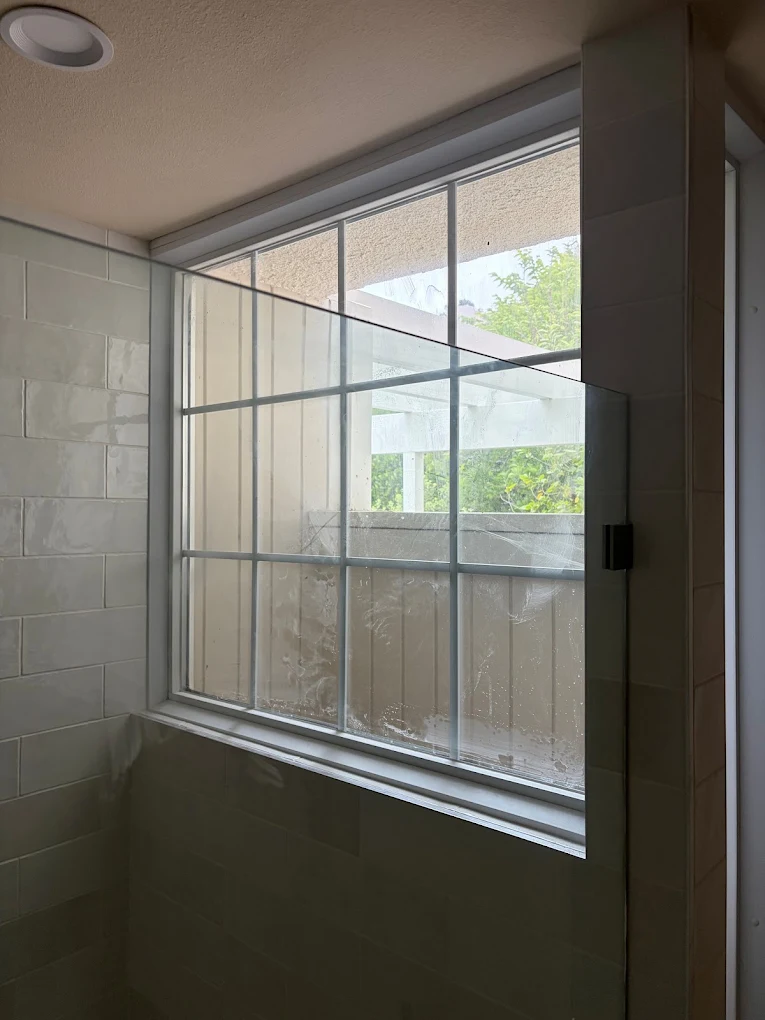
Colored and stained-glass-look films add tint or a leaded pattern. We recommend them sparingly, usually on a small transom or a sidelight, because a large colored pane can dominate a room. For bathrooms, textured films that resemble traditional obscure glass are the most practical choice since they hide shapes, not just faces.
Decorative Film for Renters and Co-op Apartments in NYC
A large share of New Yorkers rent, and most leases do not allow replacing glass. Decorative film is the exception that usually works, because quality films come off cleanly and leave the original glass intact. Get the landlord's approval in writing, describe the film, and mention that it is removable.
In co-ops and condos, interior glass like French doors and bathroom partitions rarely needs board review. Exterior windows that face the street are different. A patterned or colored film on a street window changes the facade, so check the alteration agreement or ask the managing agent before scheduling. We can provide a sample swatch for the board.
Decorative Glass Film on Landmarked Brownstone Doors
Front doors and transoms are among the most visible parts of a row house facade. In a historic district such as Brooklyn Heights, Park Slope or parts of Harlem, owners should check with the Landmarks Preservation Commission before adding film that changes how the door glass looks from the street. A plain frosted finish is a modest change, while colors or bold patterns are more noticeable.
If original leaded or beveled glass is still in place, we usually recommend leaving it bare or filming only the inside of a plain storm panel. Old glass is often thin and wavy, and the goal with historic glass should be protection, not covering it up.
Decorative Window Film Benefits for NYC Apartments and Brownstones
Decorative Film Instead of New Glass
Replacing a pane of glass in a prewar door or a brownstone transom means custom cutting, carpentry and often a long wait. Film gives you a reeded, etched or frosted look in a single visit with no change to the door itself.
Light Through Interior Glass, Privacy Kept
Frosted and patterned films keep borrowed light moving through French doors and glass partitions, which matters in long railroad-style apartments, while hiding the bedroom or home office from the rest of the household.
Removable Decorative Glass Film
Because film peels off and leaves the glass as it was, it is one of the few design upgrades most NYC landlords approve. You can change the look again later without touching the door or window.
Decorative Window Film With UV Protection
Most decorative films also block a high share of ultraviolet light. A frosted bathroom window or etched door panel therefore protects nearby wood floors and painted trim from fading as a side benefit.
Decorative Window Film FAQs for New York City
Can I film the glass in my front door in NYC?
Yes. We apply it to the interior face of the door glass. Check with your co-op or the Landmarks Preservation Commission if the change is visible from the street and the building is landmarked or in a historic district.
Does reeded window film look like real fluted glass?
From a normal distance it reads very much like ribbed glass, especially with light behind it. Up close it is flat to the touch. It is a common choice for prewar French doors and kitchen cabinets.
How do you clean decorative window film?
Wipe it with a soft cloth and a mild, non-abrasive glass cleaner without ammonia. Avoid razor blades and scrub pads on the filmed side. The other side of the glass can be cleaned normally.
Can I put decorative film on a bathroom window?
Yes, it is one of the most common uses. Textured or frosted films handle bathroom humidity well after curing and hide shapes, not just details, which is what you want for a shower or tub window.
Window film quote
Price Decorative Window Film for Your NYC Doors and Glass
Photograph each door or pane, add rough sizes, and tell us the look you have in mind. We will reply with film styles that suit the space and a written price.
Prefer email? info@windowfilmnyc.pro