Sacrificial glass film
Anti-Graffiti Window Film in New York City
Marker tags wipe off glass. Keyed initials, scratched tags and acid etching do not, and on a New York storefront they can turn a clean window into a permanently damaged one overnight. Anti-graffiti film takes that damage so the glass underneath does not.
 New York City
Why Scratched Glass Graffiti Is So Costly in NYC
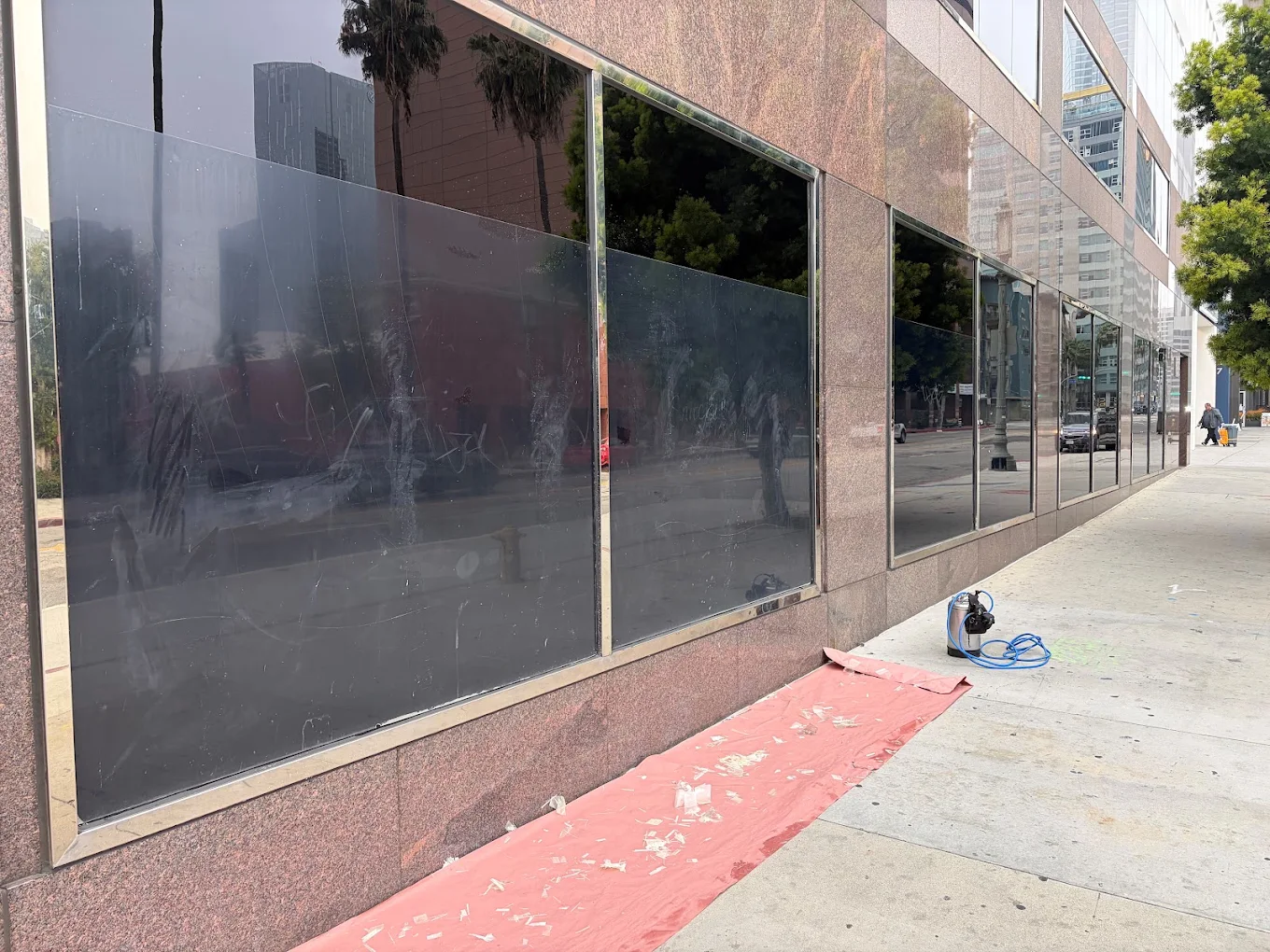
Scratch graffiti, sometimes called scratchiti, is made with a key, a stone, a carbide bit or a ring. Etching creams and acids leave a frosted mark that is part of the glass surface. Neither cleans off. Polishing out light scratches is slow and can distort the glass, and deep marks usually mean replacing the pane.
In New York, replacing storefront glass is not quick. Large plate or tempered panes are often made to order, installation may require a crew and sidewalk coordination, and the window sits boarded or taped in the meantime. Ground-floor businesses on busy blocks in Midtown, Downtown Brooklyn and Astoria may see repeat marking every few weeks.
Insurance does not always make this easier. Glass coverage often comes with a deductible that a single storefront pane may not exceed, and repeated claims can affect a policy. For many small businesses, the cost of repeated scratching simply comes out of pocket, which is where a replaceable film layer starts to make sense.
How Anti-Graffiti Window Film Protects Storefront Glass
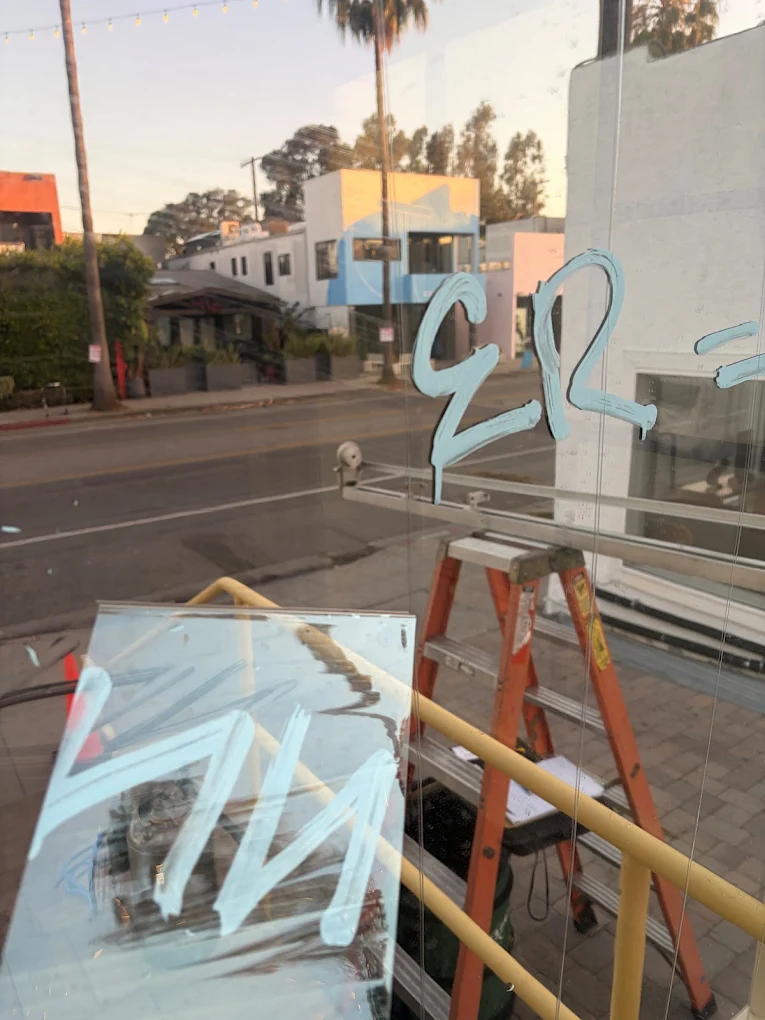
Anti-graffiti film is a clear, hard-wearing polyester layer that goes on the street side of the glass, which is where vandals work. It is designed to be sacrificial. When someone scratches, etches or tags it, the damage is in the film. We peel the damaged section off and apply a fresh sheet, and the glass underneath is untouched.
The film is nearly invisible from the sidewalk, so displays look the same. It uses an adhesive meant to release cleanly when it is time to replace it. Thickness choices trade off scratch resistance against how easily the film follows curves and edges, and we pick based on how the glass is usually attacked.
Anti-Graffiti Film for Lobby Doors, Elevators and Transit Glass
Storefronts are only one target. Apartment lobby doors and sidelights, glass vestibules, elevator cab mirrors and glass panels in stairwells all get marked, especially in buildings near busy subway entrances. Building managers in Harlem, Long Island City and Downtown Brooklyn use film on these surfaces so a scratch means a quick film swap instead of new glass or a new mirror.
Mirrors are a good example. Elevator and lobby mirrors are expensive and awkward to replace, and vandals know a scratched mirror is hard to ignore. Clear film on the mirror face keeps the reflection sharp and takes the scratches. The same idea applies to stainless steel and polished stone in some cases, though glass and mirror are where film works best.
Maintaining Anti-Graffiti Film on NYC Storefronts
Exterior film lives a harder life than interior film. It faces weather, window washing, sidewalk grit and direct sun, so it will need replacing over time even without vandalism. How often depends on exposure and how heavily the glass is targeted. A shaded door may go years, while a corner storefront on a busy avenue may need sections replaced more often.
For cleaning, a soft squeegee and mild soapy water are fine. Window washers should skip razor blades and abrasive pads on filmed glass, which defeat the purpose of the film. Many of our storefront clients keep a standing arrangement for replacement so damaged sections are swapped quickly, before the marks invite more.
Anti-Graffiti Film Benefits for New York City Property Owners
Anti-Graffiti Film Costs Less Than New Glass
Replacing a section of film is far quicker and cheaper than replacing a large storefront pane, a tempered door or an elevator mirror. The more often a surface gets hit, the bigger the difference becomes.
Quick Turnaround on Damaged Storefront Glass
Because the glass itself stays intact, a scratched window does not have to be boarded up while new glass is fabricated. The damaged film comes off and fresh film goes on, often in a single short visit.
Clear Film That Keeps Displays Visible
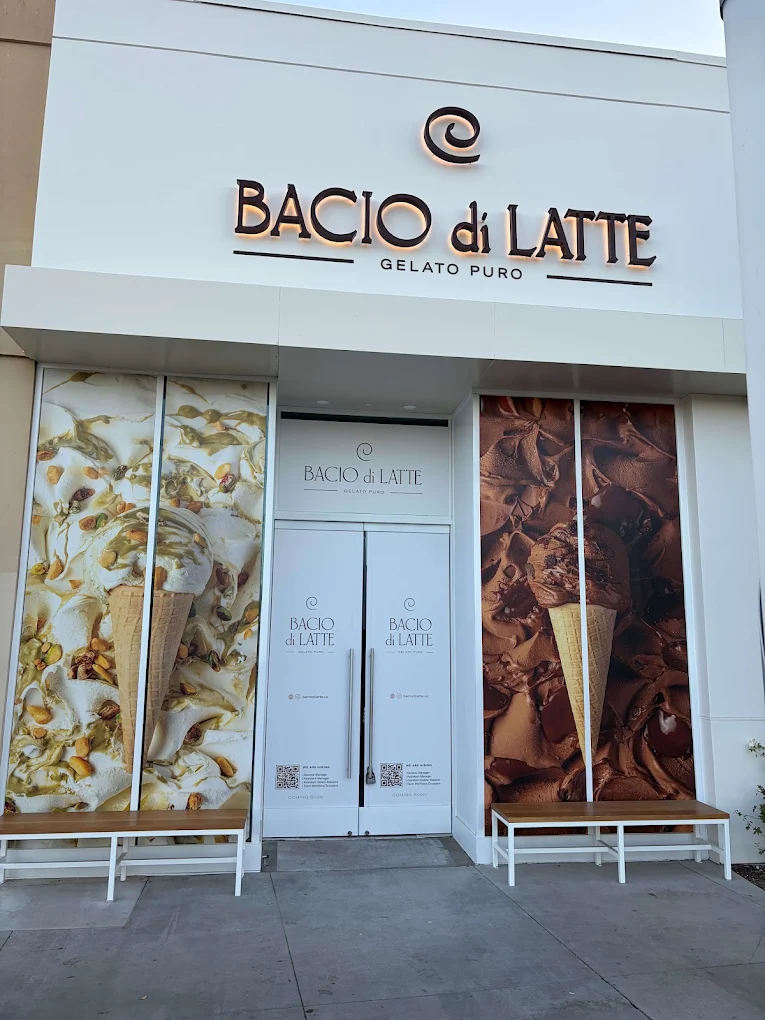
Anti-graffiti film is optically clear. Window displays, signage and the view into the store look the same from the sidewalk, and passersby do not notice the film is there.
Graffiti Film Discourages Repeat Marking
Marks left in place tend to attract more. Swapping damaged film quickly keeps storefronts and lobby glass looking cared for, which helps reduce repeat targeting on the same surfaces.
Anti-Graffiti Film FAQs for NYC Storefronts and Buildings
Does anti-graffiti film go on the inside or outside of the glass?
Outside, because that is where vandals scratch and tag. It is designed to be peeled off and replaced when it gets damaged. Security film, if you also use it, goes on the inside.
Can anti-graffiti film be put over glass that is already scratched?
It can, and it hides light scratches somewhat, but deep marks will still show through. If the glass is badly damaged, it may be worth replacing the pane and filming the new glass.
How long does exterior anti-graffiti film last?
It depends on sun exposure, washing and how often it is attacked. Exterior film has a shorter life than interior film. We give an expected service life for your location with the quote.
Can you remove spray paint and marker from anti-graffiti film?
Often, yes, with a mild cleaner and a soft cloth. Paint or solvent-based markers can stain the film, and when that happens the section is replaced rather than scrubbed.
Window film quote
Price Anti-Graffiti Film for Your NYC Storefront or Lobby
Send photos of the damaged or targeted glass, approximate sizes and how often it gets hit. We will suggest a film thickness and a replacement plan that fits your budget.
Prefer email? info@windowfilmnyc.pro